The Power of Gentle Parenting
Parenting is a journey filled with joy, challenges, and endless opportunities to grow. For many, the path of gentle parenting offers a way to raise children with empathy, respect, and connection at the forefront. Whether you’re just learning the gentle parenting definition or looking for practical gentle parenting techniques to apply in daily life, this approach encourages parents to lead with understanding rather than control.
Closely aligned with conscious parenting, gentle parenting focuses on breaking cycles of fear-based discipline and instead fosters trust and collaboration between parents and children. By prioritizing connection, it aims to build strong relationships while guiding children to become confident, kind, and emotionally intelligent individuals. Let’s explore what gentle parenting is, why it works, and how to implement it in your home.
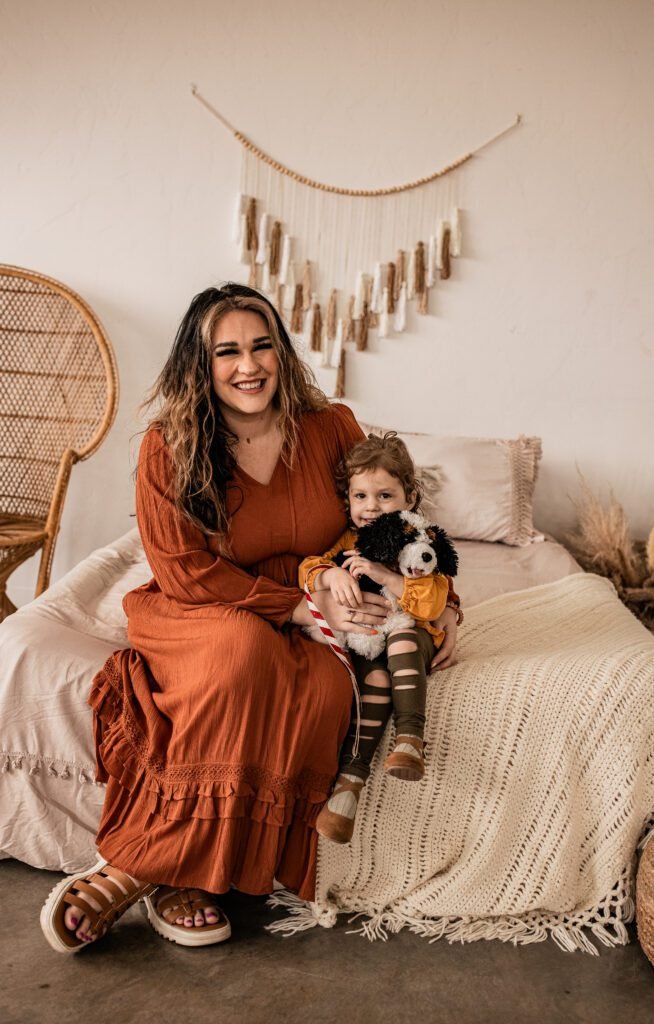
“Gentle parenting means that I treat my daughter like a human being. She still has rules and boundaries, and those have natural and logical consequences. What I don’t do, is hit her, scream at her, or belittle her for being a human who is learning, just like I am.”
-Lexie Undem
Gentle Parenting: A Path to Connection
Parenting is one of the most challenging and rewarding roles we’ll ever take on. As parents, we often find ourselves searching for ways to nurture our kids without losing our connection with them. That’s why I fell in love with gentle parenting—a compassionate approach that emphasizes understanding, empathy, and respect. It’s not about being perfect; it’s about being intentional.
One of the most powerful principles I’ve learned on this journey is “connection before correction.” When we focus on building trust and understanding with our kids before addressing behavior, we create an environment where they feel safe to grow and learn. Gentle parenting isn’t just about raising kids who listen—it’s about raising kind humans who understand empathy, accountability, and love.
If you’re just beginning this journey, tools like a Morning Checklist can help create routines that support positive communication and foster independence. Small steps like these make gentle parenting more practical and manageable for busy families.

Gentle Parenting Tips
If you’re just starting with gentle parenting, keep in mind that it’s a journey, not a destination. Here are a few practical tips to help you along the way:
- Take Breaks When Needed: Parenting can be overwhelming, and it’s okay to step away to calm yourself before responding. A deep breath can make all the difference.
- Be Consistent: Gentle parenting thrives on predictability. Clear and consistent boundaries help your child feel safe and understand what’s expected.
- Repair When You Mess Up: We all have moments we wish we could redo. Apologizing to your child models accountability and shows that relationships can withstand mistakes.
- Focus on the Why: When setting rules or expectations, explain the reasoning behind them. It helps children feel respected and involved in decision-making.
- Celebrate Small Wins: Acknowledge progress—both yours and your child’s. Growth takes time, and every step forward is worth celebrating.
What Is Gentle Parenting?
At its core, gentle parenting is about breaking cycles of control, fear, and power struggles. For many of us, it means unlearning the disciplinary methods we grew up with and choosing a different path. By focusing on empathy and understanding, gentle parenting allows us to raise children who feel secure, respected, and valued.
Instead of reacting to behaviors with punishment or frustration, gentle parenting asks us to pause and ask, “What does my child need right now?” This approach nurtures emotional intelligence and builds a foundation of trust. It’s about guiding children with love, not fear.
Core Principles of Gentle Parenting
Here’s a closer look at what makes gentle parenting so transformative:
- Connection Before Correction: Building a relationship based on trust and understanding is the first step to guiding behavior effectively.
- Empathy: Seeing the world through your child’s eyes and validating their feelings.
- Respect: Treating children as people with their own thoughts, emotions, and needs.
- Breaking Cycles: Choosing not to repeat patterns of fear-based discipline and instead fostering collaboration and mutual respect.
Gentle Parenting Techniques in Action
Putting gentle parenting techniques into practice can feel overwhelming at first, but starting small makes all the difference. Here are a few practical approaches:
- Active Listening
When your child talks, give them your full attention. Acknowledge their feelings by saying, “I hear that you’re upset,” instead of dismissing their emotions. - Connection Before Correction
Let’s say your child is refusing to share their toy. Instead of scolding, you might say, “I see you’re having a hard time sharing. Let’s talk about how we can solve this together.” By leading with connection, you create a safe space for them to cooperate. - Positive Reinforcement
Celebrate the behaviors you want to see. Phrases like “I love how gently you’re playing with your sister” encourage kids to repeat those actions. - Breaking Cycles
If you find yourself tempted to yell or punish, pause and reflect. Ask yourself: “Is this how I want my child to remember me responding?” Replacing old patterns with mindful choices takes time, but it’s a powerful way to model emotional regulation.

NEW Parenting Tips
As you grow in your gentle parenting journey, try these fresh ideas to deepen your connection and refine your approach:
- Incorporate Play Into Discipline: Use role-play or storytelling to teach lessons. For instance, if your child struggles with sharing, act out a story with their toys that models generosity.
- Create a Calm-Down Space: Instead of time-outs, designate a cozy corner where kids can self-regulate with tools like books, sensory toys, or calming visuals.
- Practice Empathy Statements: Reframe how you address conflict by starting with empathy. For example, “It looks like you’re frustrated because your block tower fell. Let’s figure out how to rebuild it together.”
- Journal Your Parenting Wins and Challenges: Reflecting on what worked and what didn’t can help you track progress and adjust your strategies.
- Schedule Special One-on-One Time: Dedicate 10–15 minutes each day to uninterrupted time with each child. This small investment can strengthen your connection and build trust.
Gentle Parenting and Raising Kind Humans
One of the most beautiful outcomes of gentle parenting is raising children who lead with kindness. When we treat our kids with respect and empathy, they naturally learn to extend those same values to others.
For example, my daughter recently noticed a classmate struggling with a craft project. Without hesitation, she offered to help, saying, “It’s okay; we can do it together.” Moments like these remind me why this journey is worth it. Our efforts to connect and guide them are shaping who they’ll become—compassionate, thoughtful individuals who make the world a better place.
Recommended Resources for Gentle Parenting
Parenting is a learning process, and having tools and guidance can make all the difference. Here are some of my favorite resources to help you deepen your understanding of gentle parenting techniques:
- Books
- The Whole-Brain Child by Dr. Daniel Siegel and Tina Payne Bryson
- Peaceful Parent, Happy Kids by Dr. Laura Markham
- Raising Good Humans by Hunter Clarke-Fields
- Podcasts
- Unruffled with Janet Lansbury
- The Mindful Mama Podcast by Hunter Clarke-Fields
- Tools for Families
- Morning Checklist: This customizable checklist helps kids take ownership of their routines, making mornings smoother and less stressful.
Addressing Gentle Parenting Myths
As with any parenting philosophy, gentle parenting comes with its share of misconceptions. Let’s address some common myths:
1. Gentle Parenting Is Too Lenient
Gentle parenting doesn’t mean letting kids “get away with” bad behavior. It’s about setting boundaries in a respectful, empathetic way. For example, instead of yelling “Stop that!” when your child is being rough, you might say, “Let’s use gentle hands. How would you feel if someone pushed you?”
2. Gentle Parenting Takes Too Much Time
Yes, it takes time to explain and connect—but it saves time in the long run. Kids who feel understood are more likely to cooperate, reducing the need for constant reminders and battles.
3. Gentle Parenting Doesn’t Teach Discipline
Discipline isn’t about punishment; it’s about teaching. Gentle parenting focuses on guiding kids to make better choices, fostering responsibility and self-awareness.
Quotes and Research Supporting Gentle Parenting
If you’re wondering whether gentle parenting techniques really work, consider the growing body of research that supports this approach.
- “Connection is the key to cooperation.” — Janet Lansbury
- “Discipline isn’t about punishment; it’s about teaching.” — Dr. Laura Markham
- “How you speak to your children becomes their inner voice.” — Peggy O’Mara
Studies have shown that children raised with empathy and positive reinforcement are more likely to develop emotional intelligence and healthy social skills. These findings remind me that every moment we choose connection over correction, we’re building a stronger foundation for our kids’ future.
FAQs About Gentle Parenting
1. What’s the difference between gentle parenting and permissive parenting?
Gentle parenting includes clear boundaries and structure, whereas permissive parenting lacks consistency. Gentle parenting balances empathy with accountability, helping children learn from their choices.
2. How do I apply gentle parenting to tantrums?
Start by acknowledging your child’s feelings: “You’re upset because we can’t stay at the park longer. I know that’s hard.” Offer comfort and help them navigate their emotions instead of focusing solely on the behavior.
3. What does “connection before correction” mean in practice?
It means prioritizing your relationship with your child before addressing their behavior. For example, if your child spills juice on the floor, start with, “That was an accident; let’s clean it up together,” instead of scolding.
Final Thoughts
Gentle parenting is more than a method—it’s a mindset that transforms the way we connect with our children. By focusing on empathy, respect, and understanding, we’re not just correcting behaviors; we’re breaking cycles and building stronger, more loving relationships.
For me, the most rewarding part of this journey has been watching my kids grow into kind, compassionate humans. Gentle parenting isn’t about perfection—it’s about progress. Every time we choose to lead with connection and love, we’re raising the next generation of cycle breakers.
You Might Also Like…
If you enjoyed this article, you might enjoy hearing some of my backstory, If Walls Could Talk.
This year this was written was been a great year for self reflection — as such, I pulled together my top 29 Things You Should Know Before 29.