Every single year I tell myself I am going to be the mom who has it all together before school starts. And every single year, Shane is at Walmart at 9 PM the night before the first day of school because we forgot folders. Specifically the two-pocket poly folders that Carolynn’s teacher requested. Not the paper ones. The poly ones. You know how it goes.
This year I finally sat down, took a deep breath, and built out a real back to school shopping checklist that actually covers everything our family needs. And our family has some extra layers to consider, because with Carolynn’s dye-free lifestyle and Camden’s allergies, even something as simple as picking out a lunchbox turns into a 20-minute research session.
So I figured, why not share the whole thing with you? Whether you have one kid or four, whether your kids have allergies or sensory needs or just a very strong opinion about their backpack color, this guide is going to help you walk into back to school season without losing your mind. Or at least lose it a little less than usual.
Why a Back to School Shopping Checklist Actually Matters
I know what you might be thinking. It is just school supplies. How complicated can it be? And honestly, for a long time I thought the same thing. But then Carolynn started kindergarten last year and I realized that “back to school shopping” is so much more than pencils and a backpack. It is snacks, lunch gear, clothing, shoes, skincare, after-school activity supplies, and a whole lot of planning that sneaks up on you if you are not ready for it.
Having a checklist means you shop with intention instead of panic. It means you stop buying duplicates of things you already have at home. It means you actually check the school supply list before you grab 12 glue sticks off the shelf only to find out your kid’s classroom uses liquid glue. Ask me how I know.
A good checklist also helps you spread out the spending so it does not all hit at once. Back to school season adds up fast, and if you are shopping without a plan, you end up spending way more than you need to.
Step 1: Gather Your Starting Information
Before you buy a single thing, you need to gather a few pieces of information. This is the step most people skip, and it is the reason they end up returning half of what they bought.
Check for Your School’s Official Supply List
Most schools post their grade-level supply lists on their website by late July or early August. Some even hand them out at kindergarten orientation or mail them home. Grab this list first and use it as your foundation. Everything else builds around it.
Know Your Child’s Teacher’s Preferences
If you are lucky enough to find out your child’s teacher before school starts, check to see if they have sent any communication about preferences. Some teachers are very specific. Carolynn’s teacher last year wanted Crayola crayons only, not the store brand. That is a detail that matters when you are trying to stick to a budget.
Take Inventory of What You Already Have
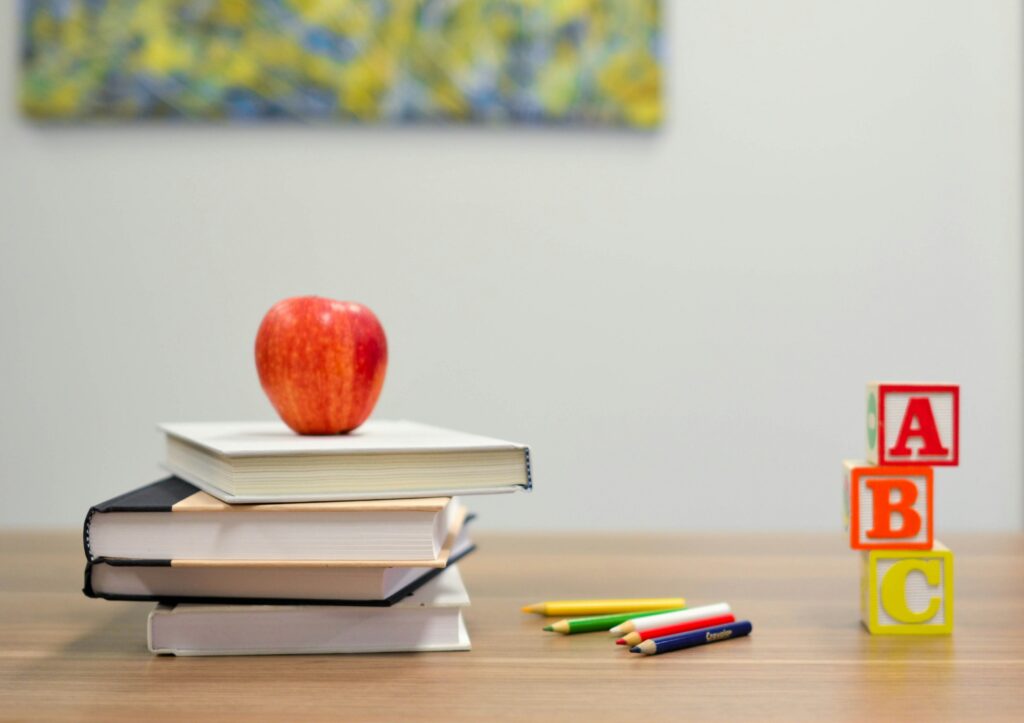
Go through last year’s backpack, desk drawer, and art supplies before you shop. I always find at least three perfectly good pairs of scissors and a dozen crayons that are still usable. Write down or check off from your back to school shopping checklist what you have so you are not doubling up unnecessarily.
Set Your Budget Before You Walk In
Seriously. Decide on a number before you go. Back to school shopping is the kind of thing that creeps up on you. You go in for a backpack and come out with a $200 cart. Set a budget by category if you can. School supplies, clothing, shoes, lunchbox gear. It helps keep things in check.
Step 2: The School Supplies Checklist
This is the heart of your back to school shopping checklist, and it varies by grade. Here is a general list that covers most elementary-aged kids. Always cross-reference with your school’s official list.
Writing and Drawing Tools
- Pencils (most schools want a specific number, usually a box of 24)
- Colored pencils
- Crayons (Crayola 24-count is a safe bet for most classrooms)
- Washable markers
- Dry erase markers if your child will have a personal whiteboard
- Pencil sharpener with a lid to catch shavings
- Erasers, both cap-style and large pink ones
Paper and Organization
- Wide-ruled notebook paper or college-ruled depending on grade
- Spiral notebooks in requested colors
- Composition books
- Pocket folders in requested colors (poly vs. paper matters, check the list)
- Index cards
- Sticky notes for older kids
Classroom Supply Essentials
- Glue sticks (teachers always want more than you think)
- Liquid school glue
- Child-safe scissors
- Ruler
- Pencil box or pouch
- Highlighters for older grades
- White out tape for older grades
Shared Classroom Supplies
Many teachers request donations of communal supplies. These usually include things like Kleenex, hand sanitizer, disinfecting wipes, paper towels, and Ziploc bags. Check your list and grab a few of these when you see them on sale. Teachers are incredibly grateful and it makes a real difference in their classrooms.

Step 3: The Backpack and Lunch Gear Checklist
This section is one I take seriously because it directly affects how our kids eat and how comfortable they are during the school day. And with Camden’s allergies and Carolynn’s dye-free diet, I am extra picky about what we bring into the mix.
Backpack
- A backpack that fits your child’s frame (it should not hang past their lower back when loaded)
- Padded shoulder straps are worth it
- Check size requirements since some schools limit backpack size in lower grades
- If your child has sensory sensitivities, look for smooth interior linings and avoid scratchy embellishments
Lunch and Snack Gear
- Insulated lunchbox that is easy for your child to open independently
- Leakproof containers in a few sizes
- Ice packs that actually stay cold for 4 to 6 hours
- A reusable water bottle that is easy to open (this is huge for younger kids)
- Small snack bags or reusable pouches
- Utensils if your child will need them
One thing I always look for is stainless steel containers or BPA-free plastic for Camden since dairy residue on shared containers can be a problem for kids with food allergies. It sounds like overkill until it is not overkill, you know?
Step 4: The Clothing and Shoes Checklist
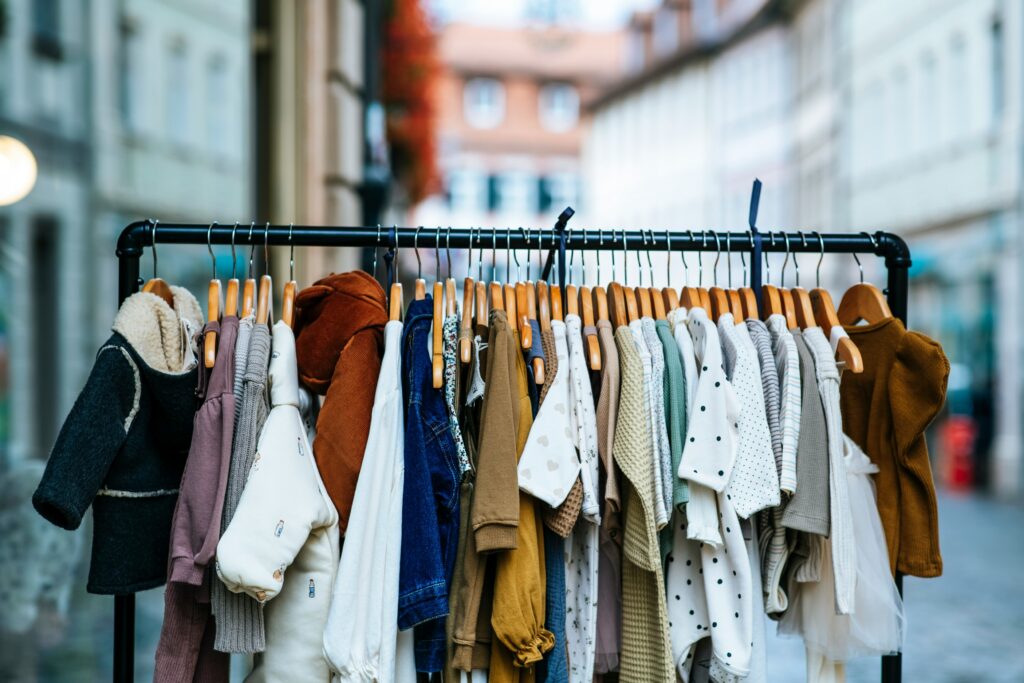
I am not going to tell you to go out and buy a whole new wardrobe because honestly, kids grow so fast that it feels like financial chaos. But there are a few wardrobe staples to add to your back to school shopping checklist that make the school year so much smoother.
Clothing Basics to Stock Up On
- 5 to 7 school-appropriate tops or shirts
- 3 to 5 bottoms including pants, jeans, or skirts
- At least one or two dressier outfits for picture day and events
- A light jacket or hoodie for air-conditioned classrooms (schools are always freezing)
- Comfortable socks, at least 7 pairs so you are not doing laundry every other day
- Underwear in the right size since kids grow and you would be surprised how many families forget this one
Shoes
- Supportive sneakers that can handle recess and PE
- Easy-on shoes or Velcro closures for younger kids who are not yet tying laces
- Rain boots if you live somewhere that gets fall weather early
- Snow boots for snowy or cold areas.
For Carolynn, I specifically look for clothing without scratchy tags since sensory sensitivities are real and a scratchy tag can completely derail her whole school day. Tagless options or those with printed tags have been a game changer for us.
Step 5: The Health and Hygiene Checklist
This one gets overlooked so often, but trust me, it matters. Kids share everything at school and being stocked up on the basics keeps you from scrambling mid-September when someone brings home a cold and you have no tissues in the house.
For Home
- Children’s pain reliever (check with your doctor for appropriate dosing)
- Tissues
- Hand soap
- Bandages and basic first aid supplies
- Any prescription medications refilled and ready to go
For School
- Any medications that need to be kept at school, including an updated action plan if your child has allergies or asthma
- A small hygiene kit for older kids with deodorant, lip balm, and a comb or brush
- Extra clothes in a Ziploc bag tucked in the backpack for accidents or spills
If your child has food allergies like Camden does, now is also the time to schedule a meeting with the school nurse and classroom teacher to go over the allergy action plan. Do not assume last year’s paperwork is still on file. Confirm it every single year.
Step 6: The After-School and Activity Checklist
If your kids are in any sports, clubs, or extracurricular activities, those need their own section of your checklist. It is easy to forget that fall soccer season and fall school season start at the same time and suddenly you are buying cleats on the same week you are buying binders.
- Check start dates and required gear for any fall activities
- Make sure last year’s uniforms or gear still fit before assuming you are covered
- Budget for registration fees if you have not already
- Look at the activity calendar and make sure it works with your childcare and work schedule before committing
Step 7: The Snack and Lunch Pantry Checklist
This is a section that is near and dear to my heart because feeding Carolynn and Camden requires some extra thought. Carolynn does best without artificial dyes and with limited refined sugar. Camden cannot have dairy, eggs, oats, barley, or flaxseed. So our snack pantry looks a little different than most, but it is totally doable once you have your go-to list.
Snack Staples to Stock Before School Starts
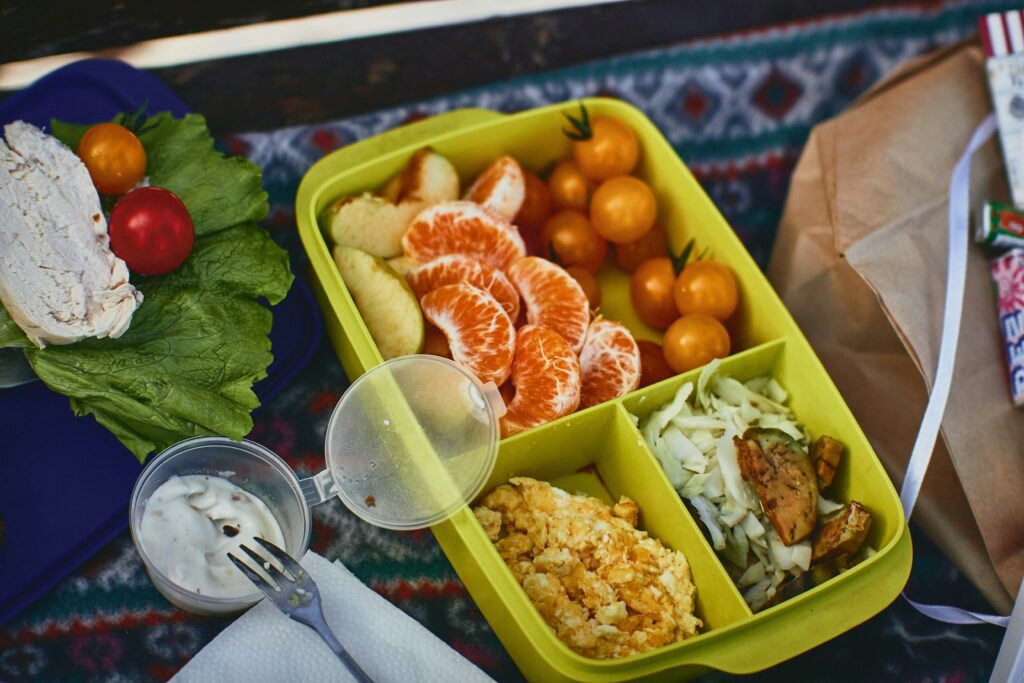
- Fresh fruit that is easy to pack, like grapes, apple slices, and clementines
- Sunflower seed butter or almond butter for protein (check your school’s nut policy first)
- Rice cakes in simple flavors without artificial colors
- Allergen-friendly crackers (we love Simple Mills)
- Dairy-free pouches or snack cups that Camden can eat safely
- Pretzels without dyes or artificial flavors
- Veggie pouches for Camden since he is still in that toddler pouch phase
- Safe granola bars (we skip oats and flaxseed for Camden, so I read every label)
I always do one big stock-up run at the start of the school year and then replenish weekly. Having a stocked snack pantry means I am not scrambling at 7 AM trying to figure out what to put in Carolynn’s snack bag.
Common Back to School Shopping Mistakes to Avoid
I have made almost all of these mistakes personally, so I am sharing them with full transparency and zero judgment.
- Shopping without the school supply list: You will buy the wrong things. Always start with the official list.
- Buying all clothing in current size: Kids grow. Buy a size or two up for things that are not immediately needed like winter coats and boots.
- Forgetting to check expiration dates on medications: Your EpiPens and children’s pain relievers from last year might be expired. Check before school starts.
- Ignoring the teacher’s wishlist: Many teachers post an Amazon classroom wishlist. Even grabbing one small item makes a difference.
- Waiting until the week before school starts: Shelves get picked over fast. Start shopping in late July if you can.
- Buying the cheapest everything: Some things are worth spending a little more on, like backpacks and shoes. Cheap backpacks fall apart by October.
- Forgetting about the first week of school outfit: Carolynn had a full meltdown in my arms when she realized her “first day outfit” had been washed and put away. Lay it out the night before. Learn from my mistakes.
Tips for Making Back to School Shopping Easier
- Shop early in the morning or on weekday afternoons to avoid the weekend crowds
- Bring your child for shoe and backpack fitting but leave them home for the supply run if possible
- Use the store’s app or website to check inventory before you make the trip
- Label everything before the first day, not after
- Take a photo of your back to school shopping checklist so you have it on your phone while shopping
- Check Facebook Marketplace and local buy-nothing groups for gently used backpacks, sports gear, and even uniforms
- Split the shopping across two or three trips to keep it manageable and spread out the expense
Frequently Asked Questions About Back to School Shopping
When should I start back to school shopping?
The best time to start back to school shopping is mid to late July. By early August, popular items like folders in specific colors and certain backpack styles start selling out. Starting in July also gives you time to spread out the spending across a few weeks rather than paying for everything at once. If you have a back to school shopping checklist by then, even better.
How much should I budget for back to school shopping?
The average family spends between $500 and $900 on back to school supplies, clothing, and shoes per child depending on grade level and needs. You can bring this number down significantly by shopping sales, checking what you already have at home, buying store brands for basic supplies, and purchasing clothing in upcoming sizes at end-of-season sales. Setting
Pin for Later